Long Term Goals for Event Planners turn daily delivery into a career with direction. They help professionals choose which skills, sectors, and clients deserve attention, then convert successful events into higher income, reputation, and leadership opportunities. A clear plan makes event planner career growth measurable, replacing constant activity with milestones that build expertise and commercial value.
What Are the Most Important Long Term Goals for Event Planners?
- The strongest goals cover recognised expertise, financial stability, leadership, and a portfolio that proves measurable results.
- Effective professional goals for event planners also guide project choices, training investment, supplier relationships, and progression towards more complex events.
How Do Long Term Goals for Event Planners Differ From Short Term Objectives?
- Short-term objectives address the next event, quarter, or skill gap, such as reducing budget variance or learning a new platform.
- Long term event planning goals build on these results over several years through specialisation, leadership, recurring clients, or larger programmes.
What Professional Certifications Should Event Planners Pursue as Long Term Goals?
-
- Event planning professional development should also cover risk, sustainability, budgeting, digital production, and leadership.
How Do Event Planners Build a Personal Brand as a Long Term Career Goal?
- A credible personal brand grows from a clear specialism, documented outcomes, and consistent judgement.
- Career goals for event planners should include case studies, client feedback, useful industry contributions, and a recognisable point of view.
- often anchored by a strong event management vision statement that communicates direction clearly to clients and partners.
What Is a Realistic Five-Year Career Roadmap for an Event Planner?
An event planner five year plan should create progression without forcing one rigid route.
| Period | Priority | Practical Milestone |
| Year 1 | Core delivery | Build reliable planning and supplier systems |
| Year 2 | Specialisation | Choose a sector or event format |
| Year 3 | Commercial growth | Lead budgets, proposals, and client accounts |
| Year 4 | Leadership | Manage teams and complex programmes |
| Year 5 | Positioning | Become a recognised specialist or business leader |
Review the roadmap annually as market opportunities and personal priorities change.
How Do Long Term Goals for Event Planners Drive Business Growth and ROI?
- Long Term Goals for Event Planners support business growth through stronger retention, better proposals, improved supplier terms, and efficient delivery.
- Pursuing event planning ideas for business growth strengthens this connection between career progress and measurable outcomes.
- Strategic goals for event planners should connect career progress with margins, repeat work, referrals, and measurable event outcomes.
What Are the Most Common Mistakes Event Planners Make When Setting Long Term Goals?
- Common mistakes include vague ambitions, copied career paths, excessive priorities, and no financial measures.
- Define a small number of milestones, assign deadlines, and state the evidence that will prove progress.
How Does Mastering Event Technology Support the Long Term Goals of an Event Planner?
- Technology strengthens planning through registration, CRM integration, audience analytics, dashboards, hybrid production, and automated follow-up.
- Building strong technical skills for event management gives planners the confidence to use these systems effectively.
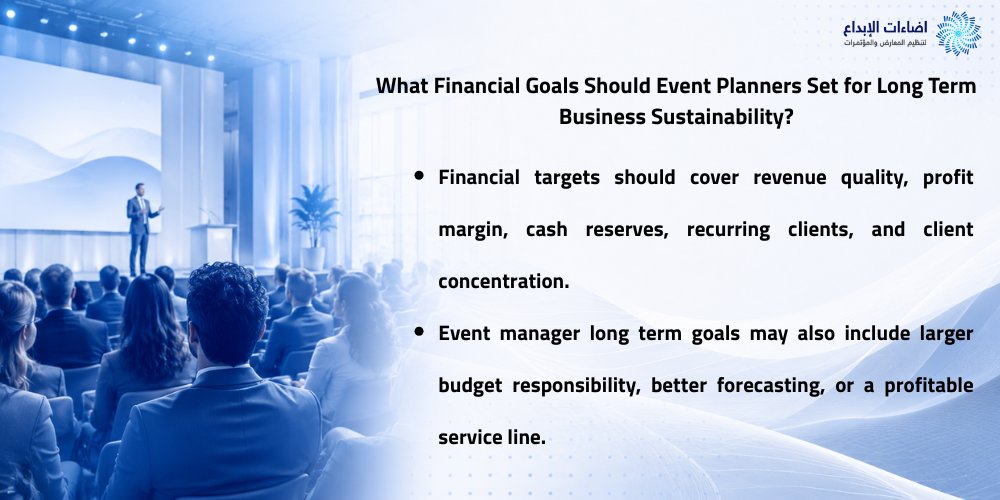
What Financial Goals Should Event Planners Set for Long Term Business Sustainability?
- Financial targets should cover revenue quality, profit margin, cash reserves, recurring clients, and client concentration.
- Event manager long term goals may also include larger budget responsibility, better forecasting, or a profitable service line.
How Does Thought Leadership Strengthen the Long Term Goals of an Event Planner?
Thought leadership builds trust when it comes from practical experience. Useful articles, workshops, commentary, and case studies can position a planner as a specialist, provided visibility follows consistent work and evidence.
What Role Does Networking Play in Achieving Long Term Goals for Event Planners?
- Relationships create access to suppliers, mentors, collaborators, venues, clients, and new markets.
- Review the network by capability: who can advise, refer, deliver, introduce, or challenge you? This is more useful than collecting contacts.
How Do Event Planners Balance Long Term Career Goals With the Pressure of Day-to-Day Planning?
- Protect fixed time for learning, portfolio updates, financial review, and business development.
- Long Term Goals for Event Planners become manageable when converted into monthly actions, such as one course module, case study, or strategic client conversation.
How Do Long Term Goals for Event Planners Change When Operating in the Saudi Market?
- Saudi planners benefit from regulatory readiness, bilingual communication, local protocol, major-project delivery, sustainability, and advanced visitor experience.
-
What Separates Event Planners Who Consistently Achieve Their Long Term Goals From Those Who Don’t?
- Consistent planners review progress, request feedback, document lessons, and turn each event into reusable knowledge.
- Long Term Goals for Event Planners succeed when ambition is supported by routines, evidence, and disciplined choices.
How Should Event Planners Track and Measure Progress Toward Their Long Term Goals?
- Use a quarterly dashboard covering skills, certifications, portfolio quality, revenue, profit, retention, leadership, and visibility.
- Each measure needs a baseline and next target, so event planning business objectives and personal milestones can be reviewed together.
Discover a planning framework that turns annual intentions into clear quarterly evidence.
Conclusion
Long Term Goals for Event Planners should build skill, commercial stability, and professional recognition over time. The strongest plans connect learning, technology, financial discipline, reputation, and leadership through measurable milestones. Eda’at Alaibida’ reflects this balance through creative planning, technical coordination, and disciplined field delivery.
Build your next stage of event planning growth with a clear five-year direction.